Eighteen
The street
The game stopped. No advice taken that I had not examined.
Story
The third book of The hours, told short. The practice was forged here. Survival was the only thing allowed to take the hour.
The path
Eighteen
The game stopped. No advice taken that I had not examined.
Seven years
Computer science, fine art, and the hours the buildings did not own.
Twenty-five
The daily practice began to hold, and it worked.
The flight
The first cheap flight that went far. Very little. The life itself.
The cliff
A purpose beyond a great life. The life has to be lived first.
The house
A wife, a child, the hours given. Then a tent, then a roof.
The picture
A median income. The hour with the children was not the day.
Now
The house can stand. The hours that remain are set toward the purpose.
The ground
In depth
At eighteen I was still in my mother’s house. I walked out and stood where I always stood, and I looked at the street and at the sky. The years I could remember had been spent where I was told to spend them. I had been promised a later. I was eighteen, and the later was still ahead of me, and it wore the shape of a career. I held no direction. I held no house of my own.
Primary school had been a prison. From the morning they took me until they let me go, that building was the day, and the next morning it was the day again. The school after it was worse, and I passed by the smallest effort that would let me through. I could lose myself in a game, and I had given it about ten hours a day, and by that dedication I had made myself one of the best at it. The street did not call that a life.
Thoughts of ending my life had become ordinary. I had done what the adults advised, because a child has no other choice, and the advice had brought me there. I did not answer those thoughts by dying. I would not go back through the door as the same man. They had had their years. I would take no advice again that I had not examined for myself.
I went inside. The game was there. The urge to go back to it stayed for years. I did not touch it. I set out to spend the hours the game had taken on whatever I believed would hold the most meaning, so that I would have a life. At first the hours went to empty things, to becoming good at something that could lead to a career. The same hours filled with psychology, and with philosophy, and with anything that could make me better. I used my life as the field where I tried the ideas, and I took them further by living them.
From the first building I had been told that life would get better in the next one, and it got worse. I gave the studies seven years. I studied computer science, and I studied fine art, and in the hours they did not own I studied what the buildings never taught. There was a wage for cleaning. I set aside what it left, and put it where money grows when it is set to a real work. It grew faster than the wage. Their schools sell a decade of chairs as the price of money. The money had begun without the decade.
The practice had begun at eighteen, and for seven years it had not yet held a shape. At twenty-five the shape began to hold, and it was a shape that worked. When it was not followed, weakness crept in, or I became lost in my own work. I stopped making things for the sake of the making. I lived the poverty on purpose. I would rather have stayed poor than sold the morning. I walked out of the last school. I had tried the paths. Every one of them rented the hour.
I put distance between myself and the buildings, and the friends, and the family, so the day would have my whole attention. I took the first cheap flight that went far. I did not choose the far place for its name. I was not leaving empty. I already carried a daily practice that let me grow, without money, without a career, and without the comfort they were offering.
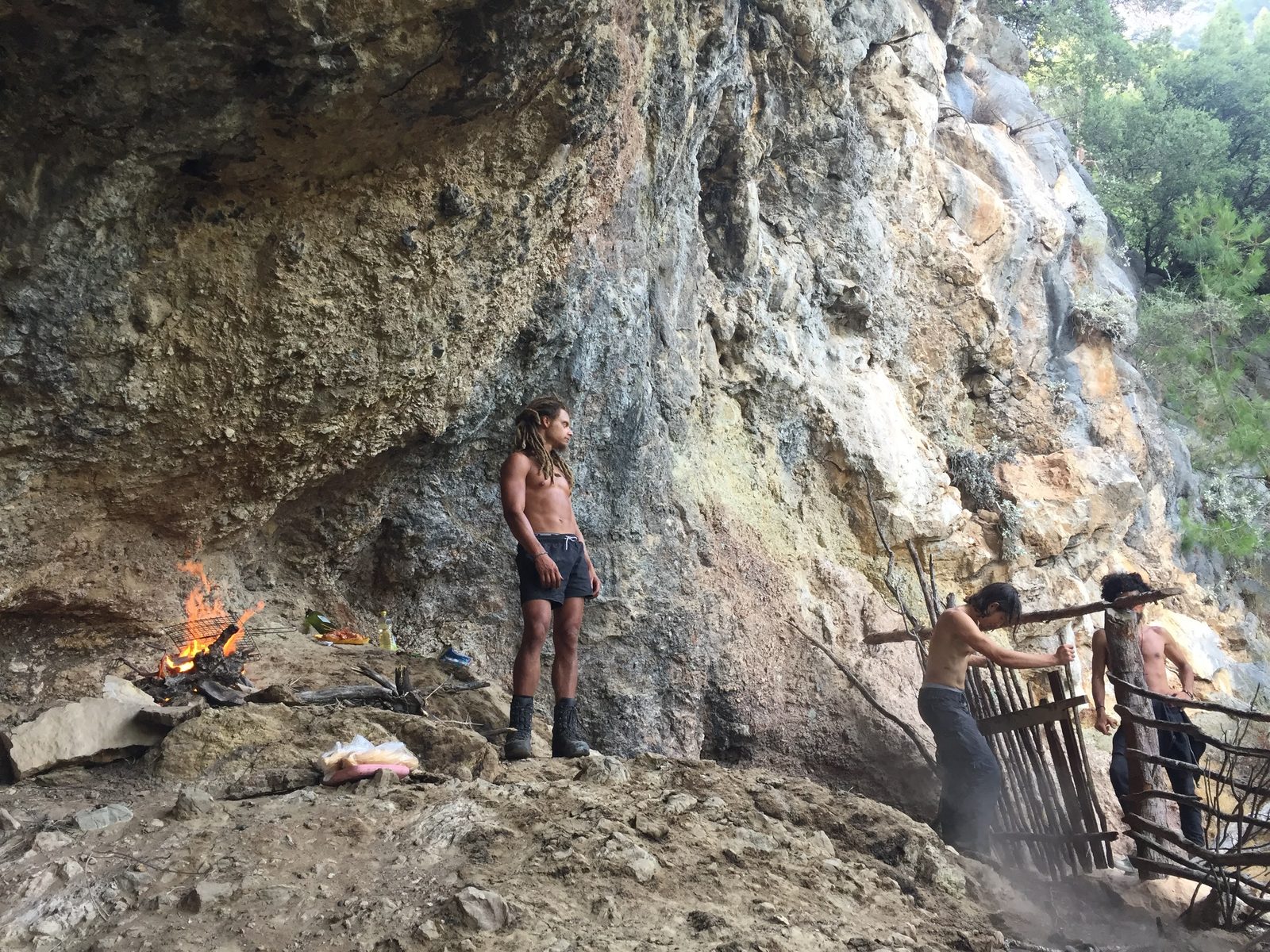
I arrived in the night. I would not pay to be carried toward a comfort. I walked a coast with no end chosen except what the path put down. The cold water wanted a body in it, and I went in. I woke, and the food required a fire, so the work began with the light. Before the dark I found the ground I would sleep on. I met people on that path and stayed with them. I lived on very little, while the little I held grew slowly. I needed nothing of the later they had fed me through the whole of my youth. Every day was the best day of my life.
Then I fell. I had taken a shorter way toward a gathering. It was dark. The way became a cliff. I could not go up and I could not go down. I stood there many hours. I called for help. A man climbed up to me, and then he slipped. I went after him. We fell in the dark. I turned my body so my feet would meet the ground if a ground was still there. I hit, and I knew that I had died. I had not. What grew from the rock stopped a second drop that would have finished it. They carried me to a hospital. I left before they were done with me.
I had been living a miracle each day, and if I had died there, nothing would have remained. From that fall I treated every living minute as a dead man walking. The search changed. I would have to find a purpose beyond a great life, so that I could die having given a meaning back. The days of that search grew very dark. Then the first answer came.
The life has to be lived first, and it has to be great.
That greatness is the precondition of a meaning.
A few months later the days were bright again. I met the woman who became my wife. She stood out. She had a courage that is nothing short of admirable. After a few days I knew I would marry her.
We married. A child was born. What had grown from the little I set aside carried the household and left me the hours, and I gave the hours to the child. I will put nothing above that. It was a privilege. We went back to the country I had left. The money from day jobs did not hold. I spent what remained on purpose, because I wanted the time with the child while the time could be had. Then the money was gone. The days became bare survival.
A letter came. The roof was being taken back. We had counted on years. We were given months. A birth was due on the day we had to be gone. I asked that nation for shelter. They told us to go back where she had come from. They went. I stayed. On the way to the parting the child would not stop holding me. That goodbye was the hardest thing the life had asked of me. I promised a place to come back to.
I had no roof. I worked. I slept in a tent through the cold, and I showered in a gym, and then I worked again, as many hours as the job would allow. The back the cliff had broken gave way further. Walking became a thing I had to force. I kept on. A house was found. I brought them back. In three years the income was what they call the median. The way up is not a lesson I will hand you. A lesson would be a way to thrive while their arrangement still stands.
Then we were the picture they hold up. A house stood in a village. The children were stable. The income was the ordinary one they call success. I came home, and the children were in the house, and I held them for the hour the evening gave, and I did not have the day back when that hour ended. Most men finish there. They go on renting the day, and they take what the rental permits, and they call the permission a life.
I hold the roof as a treasure. I hold the household as a treasure. Keeping either of them by renting the day would have been the end of me. The evening left me an hour with the children. It did not leave me the time to give the household its direction, or to live the brightness of the life, or to make work that was truly meaningful. I was grateful for the hour. The hour was not enough.
Once the house can stand, staying in the job is a comfort.
That comfort takes the hours.
The household was later split, and survival came to the door again. I found a roof that could hold her, and a roof that could hold me. The house could stand. When survival depends on the work, a man does what he must. I had cleaned and slept in a tent because the house would have failed without that work. I hold a great pride in anyone who works. Once the house can stand, it is easy to stay. I did not hand the day over for a finer wage, or for a cleaner career.
I had lived days that were great, and that greatness was only the precondition of a meaning. A brightness kept for myself ends when I end. The people who stand in the house can receive what the hours build once the house can stand. The hours that remain are set toward that purpose.
The book is that purpose written down. It is called The hours.
The hours with my children are the treasure. The evening was never enough of them. The hours is the book of that fact, and of the law that follows from it. BloeiWens.nl is a separate work: a free Dutch platform, so a hard path toward a household can be faced with more clarity.
Once the house can stand, a finer wage is not a reason to sell the morning. The day is kept, or it is handed back.